
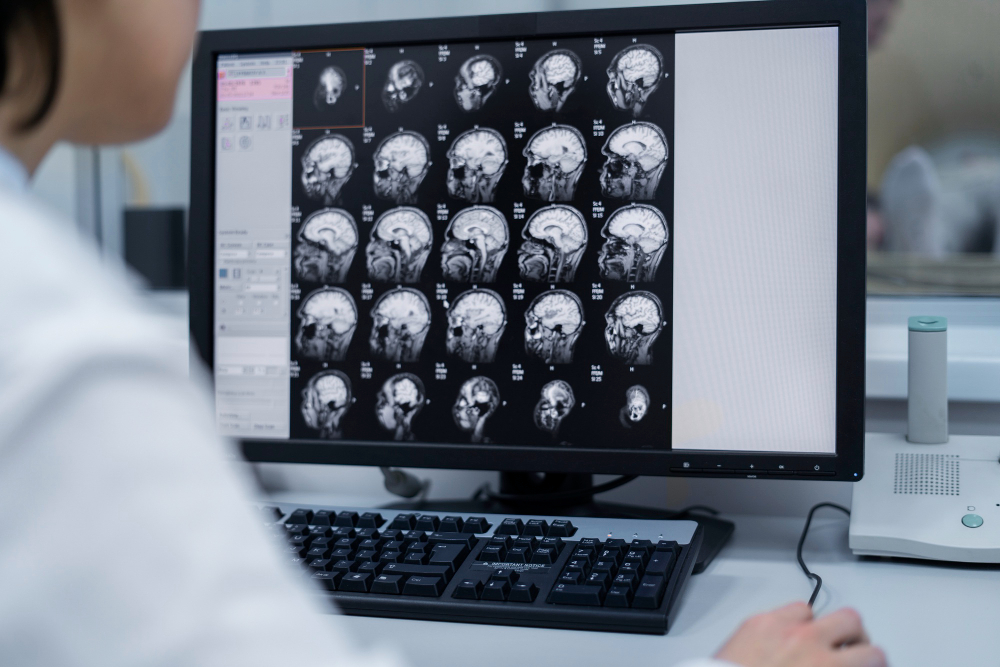
Magnetic Resonance Imaging (MRI) is a safe and detailed way to look at the brain. Doctors often use it to find the cause of certain symptoms. But when is an MRI brain recommended? Knowing the reasons and process can help you feel more prepared. In this blog, we explain brain MRI indications, when to get a brain MRI, and what happens during an MRI scan for brain health.
An MRI brain scan uses strong magnets and radio waves to make clear pictures of your brain. Unlike X-rays or CT scans, it does not use radiation. Instead, it creates detailed images that help doctors see brain tissues, blood vessels, and any changes inside the head. Because of its accuracy, MRI is often the first choice for checking brain problems.
Doctors may suggest a brain MRI for many reasons. Often, it helps find the cause of symptoms or check for certain conditions. Here are some common situations when an MRI brain is recommended:
Doctors do not order brain MRIs for everyone. Instead, they look at your medical history and current symptoms. For example, if you have new or worsening headaches, your doctor may ask about other signs like vision changes or weakness. Next, they perform a physical exam to check your nerves and reflexes. If they find something unusual, they may recommend an MRI brain scan. Sometimes, doctors use other tests first, but an MRI is often chosen for its detail and safety.
Before the scan, you may need to remove metal objects like jewelry or glasses. You will lie on a table that slides into the MRI machine. The scan itself is painless, but you will hear loud tapping or thumping sounds. Because of this, you may get earplugs or headphones. The test usually takes 30 to 60 minutes. During the scan, you must stay still to get clear images. After the scan, you can go home and return to normal activities.
For most people, MRI brain scans are very safe. Unlike X-rays, MRI does not use harmful radiation. However, some people with metal implants, pacemakers, or certain medical devices may not be able to have an MRI. Always tell your doctor about any implants or health conditions before the scan. Rarely, some people feel anxious or claustrophobic inside the MRI machine. If this happens, let your doctor know. In some cases, a mild contrast dye is used to improve images. This dye is usually safe, but your doctor will check for allergies or kidney problems first. According to the World Health Organization (WHO), MRI is considered a low-risk procedure for most patients.
If you have symptoms or concerns, consult at SIGMA MRI & DIAGNOSTIC CENTRE for personalized advice.